Walk onto any kind of significant building website, right into a skyscraper entrance hall during a drill, or right into a factory's muster point, and you will certainly see hats, vests, and tabards in a rainbow of colours. When smoke impends and alarms are appearing, those colours do greater than decorate uniforms. They are the shorthand that tells hundreds of people who supervises. The chief fire warden's hat colour belongs to that aesthetic language, but the truth is extra nuanced than many anticipate. There is a solid pattern throughout Australia and New Zealand, a couple of stubborn variations, and a handful of misconceptions that refuse to die.
This article distils the standards, the real-world practice, and the training paths that underpin those colours. It makes use of years of running warden courses in offices, healthcare facilities, logistics hubs, and tier‑one building jobs, in addition to the present competency devices for emergency control organisations.
What most structures follow, and why white maintains revealing up
Ask 10 center supervisors what colour helmet a chief warden uses, and seven or eight will certainly claim white. They will normally be right. In Australia, a lot of workplaces comply with the colour conventions related to AS 3745 - Preparation for emergency situations in facilities, and its buddy handbook HB 174. AS 3745 does not mandate a single nationwide colour in legislation, yet it has actually set method for several years via diagrams, instances, and positioning with emergency situation control organisation roles.
The common convention appears like this: chief warden in white, deputy chief warden in white with a distinguishing mark or label, communications police officer in red, flooring or area warden in yellow. Some websites include eco-friendly for first aid or clinical reaction, blue for wardens sustaining individuals with disability, or orange for general emergency workers. Numerous organisations favor hats when outdoors and hard‑hats are already needed, and vests or tabards inside your home where safety helmets would be impractical. The colour on the headgear suits the colour on the vest. That uniformity is no mishap. Under stress, the human mind tries to find vibrant, basic patterns. A white construction hat with "Chief Warden" front and back is hard to miss in a smoke‑filled loading dock or a jampacked stairwell.
I have viewed discharges stall up until the white hat showed up at the setting up area. One glimpse, an increased hand, the group compresses right into order. Colour is authority at a distance.
Variations that are legit, and just how they happen
Even within the AS 3745 ecosystem, centers have freedom to tailor. Where does that leeway originated from? The common calls for a defined Emergency situation Control Organisation (ECO) with clear roles, recognition, and procedures. It does not command a certain colour scheme in legislation. Numerous organisations adopt the AS 3745 colour examples because they work and due to the fact that specialists, site visitors, and initial responders anticipate them. Others get used to match distinct dangers or to deconflict with existing PPE colour schemes.
Here are patterns I have actually seen that job without creating complication:
- Where all employees must use white hard hats as basic PPE, the chief warden maintains white however adds high-contrast stickers, reflective "CHIEF WARDEN" labeling front and back, and a contrasting white vest with huge text. Floor wardens change to yellow headgears with yellow vests, maintaining the leading duty aesthetically distinct. In medical facility atmospheres, first aid and clinical groups commonly already insurance claim green. To stay clear of overlap, some health centers maintain scientific green yet maintain yellow for wardens and white for the principal and deputy. Person transport and code groups make use of separate armbands or back patches to stay clear of mess throughout a fire code. On building, professions and managers commonly have colour-coding of hard hats baked into website guidelines. As opposed to battle that, jobs release snap-on safety helmet covers or over-helmets in warden colours. The chief warden cover is white, printed with black "CHIEF WARDEN" text at least 50 mm high. This protects site power structure and includes emergency situation clarity.
Where organisations deviate significantly, they pay for it later on. I as soon as audited a website that determined red ought to mean chief warden because it looked "fire related." The outcome was foreseeable. Service providers assumed red indicated ordinary fire wardens, the communications officer additionally put on red, and firemans getting here on scene faced 3 various "leaders." They changed to white within a week of the very first whole‑of‑site drill.
Myths that keep tripping individuals up
Myth one: the regulation claims the chief warden has to use a white helmet. There is no regulation that names a details safety helmet colour. Job health and safety laws call for efficient emergency plans, and AS 3745 sets a recognised benchmark. White for chief warden is a solid convention, but you must confirm versus your website's documented emergency situation plan and the register of ECO roles.
Myth 2: colour is enough. It is not. Presence and recognition rely on comparison, size of text, placement, and lighting. In a stairwell with emergency lights, a small sticker loses to a huge reflective back spot. If you have ever before had to manage a discharge in a blackout, you recognize reflective lettering deserves the tiny added spend.
Myth three: once everybody understands, training is done. People change functions, contractors reoccur, and long periods between occasions deteriorate memory. You will certainly require reoccuring drills and refreshers. The PUA training units exist since experience shows identification and function clearness decay gradually without practice.
How fireman colours vary from warden colours
Another constant complication: firefighters and wardens do not share the very same color scheme. Urban fire brigades use their very own headgear colours to identify crew duties. Those systems vary by jurisdiction and have no bearing on what your ECO uses. The ECO's task is to evacuate, make up individuals, take care of details, and liaise with emergency situation services up until the incident controller from the fire solution takes command. When crews show up, they expect to find a chief warden plainly determined and ready to brief them. A white safety helmet with vibrant "Chief Warden" text belongs to being recognisable. Matching the fire service colour system is not.
Where training fits: PUA units and what they actually teach
Colour options are one piece of a larger capacity. The Australian PUA training units mount the competencies. PUAER005 Run as part of an emergency situation control organisation, often shortened puafer005, is the baseline for fire warden training. It covers just how to react to alarm systems, identify and analyze an emergency, comply with the facility's emergency strategy, interact, and safely relocate individuals to assembly locations. The puafer005 course offers wardens the muscle memory to do their function without presuming. For several offices, it is the minimum fire warden training requirement.
For leaders, PUAER006 Lead an emergency control organisation, commonly created puafer006, expands into command, decision-making under stress, and liaison with emergency solutions. The puafer006 course is where chief wardens, replacement principals, and communications policemans learn to coordinate several floors or locations at once, to analyze panel indicators, and to make the phone call to intensify or separate. If you desire a person to put on the white hat, they need to pass puafer006 and demonstrate those proficiencies in drills. A crisp "Chief Warden" label does not compensate for hesitant leadership.
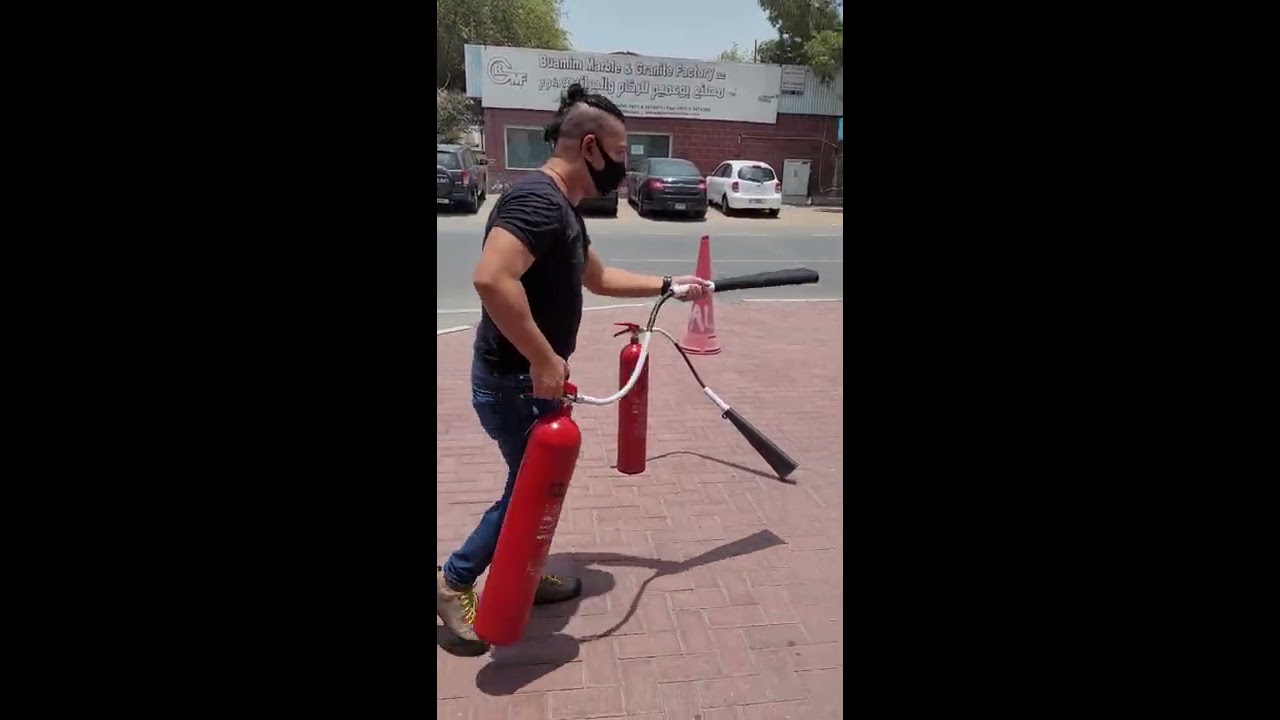
In practice, I suggest a cadence. New wardens complete the fire warden course lined up to puafer005, after that darkness experienced wardens throughout drills. Potential principals complete the chief fire warden course straightened to puafer006, then serve as deputy in at least one complete evacuation before they lug the title. That lived wedding rehearsal matters more than any type of certification on the wall.
Selecting hats, vests, and identification that endure the genuine world
Procurement often defaults to the cheapest brochure option. Invest a little bit extra. The work requires equipment that works in inadequate light, warm, and rain, which continues to be visible in thick crowds.
I try to find white hard hats for chief wardens with high-gloss coverings and wraparound reflective tape. The front and back require huge "CHIEF WARDEN" labels. The sides can add the facility name or logo design, but prevent clutter. Indoors, a white vest in high-contrast textile with reflective "CHIEF WARDEN" throughout the back and a smaller sized front upper body tag gets the job done. For the interaction officer, red vest and headgear or safety helmet cover with "COMMUNICATIONS" or "COMMS." For floor wardens, yellow continues to be the most legible throughout different lighting conditions, and it contrasts well with the white of the chief.
Font selection silently matters. Usage plain block lettering. I have determined clarity at assembly points, and high, vibrant sans serif letters beat stylised font styles every time. Prevent glossy plastic on glossy plastic if representations will rinse the message under floodlights. Matt reflective patches check out much better on video camera for later review.
For multi‑language sites, add iconography. A straightforward radio symbol on the communications police officer vest helps non‑English speakers in the minute. For access, pair colours with words for those with colour vision shortage. The label "Chief Warden" is not optional.
What to do when multiple organisations share a facility
Shared tenancy structures and campuses introduce complexity. Each renter may run its own emergency warden training and select its very own branding. If they all pick various color scheme, the stairwells become a carnival. You need a building-wide ECO framework.
In multi-tenant towers, the structure manager typically maintains the base building emergency situation plan and convenes an ECO committee with representation from each renter. The structure chief warden ought to be identifiable to all renters. Many towers demand the common scheme: white for the building chief warden and deputy, red for communications, yellow for floor wardens. Lessees can utilize their very own branding on vests yet must maintain the colours lined up. The building strategy need to also document how occupant principal wardens hand off to the structure chief, who talks with reacting firemens, and how responsibility for headcount is accumulated at the setting up area.

I have seen this harmonisation save mins. A tower in Parramatta once relocated 3,000 people to two assembly locations in nine mins throughout a smoke event from a cellar mechanical failing. They utilized constant colours across thirteen lessees. The firemens arrived, satisfied a white‑helmeted chief at the fire control space, got a clean short in under one minute, and separated the occasion. No one asked that was in charge.
Addressing edge instances: exterior sites, night work, and extreme noise
Outdoor plants, rail corridors, and remote facilities bring difficulties that office-based plans gloss over. Wind will tear a loosened helmet cover off a head. Radios will certainly fight with plant noise. Darkness and dirt will certainly turn colours into gray.
For night work, reflective trims end up being a requirement, not a nice-to-have. https://paxtonbkyu015.theburnward.com/what-colour-helmet-does-a-chief-warden-wear-translating-warden-hat-hues I define 50 mm reflective tape on vests, plus reflective lettering for duty titles. White headgears with reflective banding outmatch any kind of various other combination in the dark. For extreme sound, colour coding should be coupled with hand signals. Train them, record them in the emergency situation strategy, and rehearse with hearing defense on. In dirt or haze, clean lines and bigger lettering beat intricate badge designs.
On heavy industrial sites, lots of employees currently wear specific safety helmet colours linked to trade or authority. Instead of overthrow website guidelines, problem white "chief warden" over-helmets or high-visibility helmet wraps with protected clasps. The top role continues to be noticeable while respecting the website's security culture.

Drills that test whether your colours actually work
A dull evacuation will certainly not inform you if your colours are effective. Two drills annually, with one unannounced, prevails. A minimum of one need to emphasize identification.
I like to run a circumstance where a deputy principal takes control of mid-evacuation. People must be able to find that individual aesthetically without radio babble. One more variant replaces the typical communications police officer with a new hire wearing the proper red gear. Can others locate them quickly when advised to relay a message? If the solution is no, your labels are too little or your palette clashes with existing PPE.
Add video clip review. Lots of entrance halls and entries have CCTV. With approval and personal privacy controls, review video puafer006 course footage from the drill to see if wardens and especially the white-hatted principal attract attention. If you can not track them reliably on display, neither can a stressed visitor.
Training web content that links colour to competence
A warden course should not quit at colour graphes. Excellent emergency warden training links the aesthetic identification to function behaviors. In puafer005 operate as part of an emergency control organisation, students should practice making themselves noticeable on arrival at the panel, revealing their duty, and providing simple, repeatable guidelines. They discover to shepherd, not yell. In puafer006 lead an emergency control organisation, candidates practice prioritising limited sources across numerous areas, handing over floor checks to yellow wardens, and keeping the interactions channel clear. The chief warden's voice and visibility, strengthened by the white hat, carries the plan.
When I run chief fire warden training, I integrate in an interactions failure. The principal sheds their radio for 2 minutes. Can the team still find the chief warden by view and path messages with them? Otherwise, the identification system, consisting of the chief warden hat and vest, needs improvement.
Common purchase mistakes and how to prevent them
Organisations typically purchase kit in a hurry after an audit. The challenges are predictable.
- Buying generic white hats without role tags. Fix this with high-contrast, sturdy tags front and back. Using red for "fire related" duties indiscriminately. Get red for the communications policeman if you comply with the usual pattern, and keep the chief warden in white. Choosing vests with small text or low-contrast colours. Test legibility from 10, 20, and 30 metres in actual lighting conditions. Assuming a single-size technique. Headgear should fit over beanies or hair, specifically in winter months outside setups, and vests have to fit securely over cumbersome PPE. Neglecting upkeep. Unclean reflective surfaces lose their function. Replace damaged helmets and faded vests as part of quarterly checks.
None of these solutions are expensive. The expense of complication in an emergency situation is.
Alignment with fire warden requirements in the workplace
Compliance groups occasionally request a crisp list of fire warden requirements in the workplace. The fundamentals are straightforward: an existing emergency situation plan, a defined ECO with recorded roles, suitable identification and devices, training against relevant systems such as puafer005 for wardens and puafer006 for leaders, routine drills, and records of consultations and competencies. The recognition item is where the chief warden hat colour sits. See to it your emergency warden training and records clearly link the colours to the roles named in your plan.
For new supervisors, it can aid to believe in layers. The plan names roles. The training builds capability. The devices, including hats and vests, makes those duties noticeable under tension. Audits link all three with evidence: course certifications, pierce reports, tools signs up, and photos of recognition in use.
When and just how to readjust your colour scheme
There are good reasons to transform your scheme, and there are bad ones. A rebrand or a preference for a new look is not an excellent factor. A clash with obligatory PPE or a pattern of confusion in drills is.
Before you change, test. Run a tiny pilot on one floor or one site. Brief everybody. Use signage near lifts and exits for a month: "Chief Warden puts on white. Flooring Warden wears yellow." Then drill. If people still be reluctant, your layout is refraining from doing sufficient job. Fix the style before you expand the change.
If you run multiple sites, standardise throughout them. Specialists and team relocation between places, and uniformity shortens the finding out curve during the very first two mins of an emergency situation, which is when most misunderstandings bloom.
Answering the simple question: what colour helmet does a chief warden wear?
In most Australian offices that follow AS 3745 standards, the chief warden uses a white helmet or white headwear and a matching white vest or tabard, each plainly significant "Chief Warden." The deputy principal typically shares white, differentiated by "Deputy" or by an additional noting. Various other ECO roles follow with yellow for wardens and red for communications. Where a website's PPE or existing colour guidelines conflict, keep the chief warden in one of the most noticeable, one-of-a-kind colour available, and make the tag do heavy training. If you should deviate from white, record the selection in your emergency plan, short passengers, and examination it with drills till it is 2nd nature.
The colour itself does not save anybody. It gets acknowledgment. Acknowledgment gets secs. Trained people utilizing those secs well are what make the difference.
Final, functional assistance for center leaders
Colour is a device. Utilize it deliberately and connect it to training, not as decor yet as a functional control. Review your current plan versus your emergency plan. Verify that your chiefs and deputies have completed the ideal training modules, whether via a warden course focused on puafer005 or a chief warden course aligned to puafer006. Walk your site at lunchtime and at night to inspect legibility. If you can not detect your white hat and review "Chief Warden" from the far end of the entrance hall, neither can individuals you are trying to move.
At the next drill, stand at the setting up location and recall at the building. Discover the person in the white hat. If they are easy to locate, you get on the right track. Otherwise, change. That quiet, sensible self-control beats any myth concerning what a colour "must" be. It is what keeps order when it matters.
Take your leadership in workplace safety to the next level with the nationally recognised PUAFER006 Chief Warden Training. Designed for Chief and Deputy Fire Wardens, this face-to-face 3-hour course teaches critical skills: coordinating evacuations, leading a warden team, making decisions under pressure, and liaising with emergency services. Course cost is generally AUD $130 per person for public sessions. Held in multiple locations including Brisbane CBD (Queen Street), North Hobart, Adelaide, and more across Queensland such as Gold Coast, Sunshine Coast, Toowoomba, Cairns, Ipswich, Logan, Chermside, etc.
If you’ve been appointed as a Chief or Deputy Fire Warden at your workplace, the PUAFER006 – Chief Warden Training is designed to give you the confidence and skills to take charge when it matters most. This nationally accredited course goes beyond the basics of emergency response, teaching you how to coordinate evacuations, lead and direct your warden team, make quick decisions under pressure, and effectively communicate with emergency services. Delivered face-to-face in just 3 hours, the training is practical, engaging, and focused on real-world workplace scenarios. You’ll walk away knowing exactly what to do when an emergency unfolds—and you’ll receive your certificate the same day you complete the course. With training available across Australia—including Brisbane CBD (Queen Street), North Hobart, Adelaide, Gold Coast, Sunshine Coast, Toowoomba, Cairns, Ipswich, Logan, Chermside and more—it’s easy to find a location near you. At just $130 per person, this course is an affordable way to make sure your workplace is compliant with safety requirements while also giving you peace of mind that you can step up and lead when it counts.